
Naming the enemy
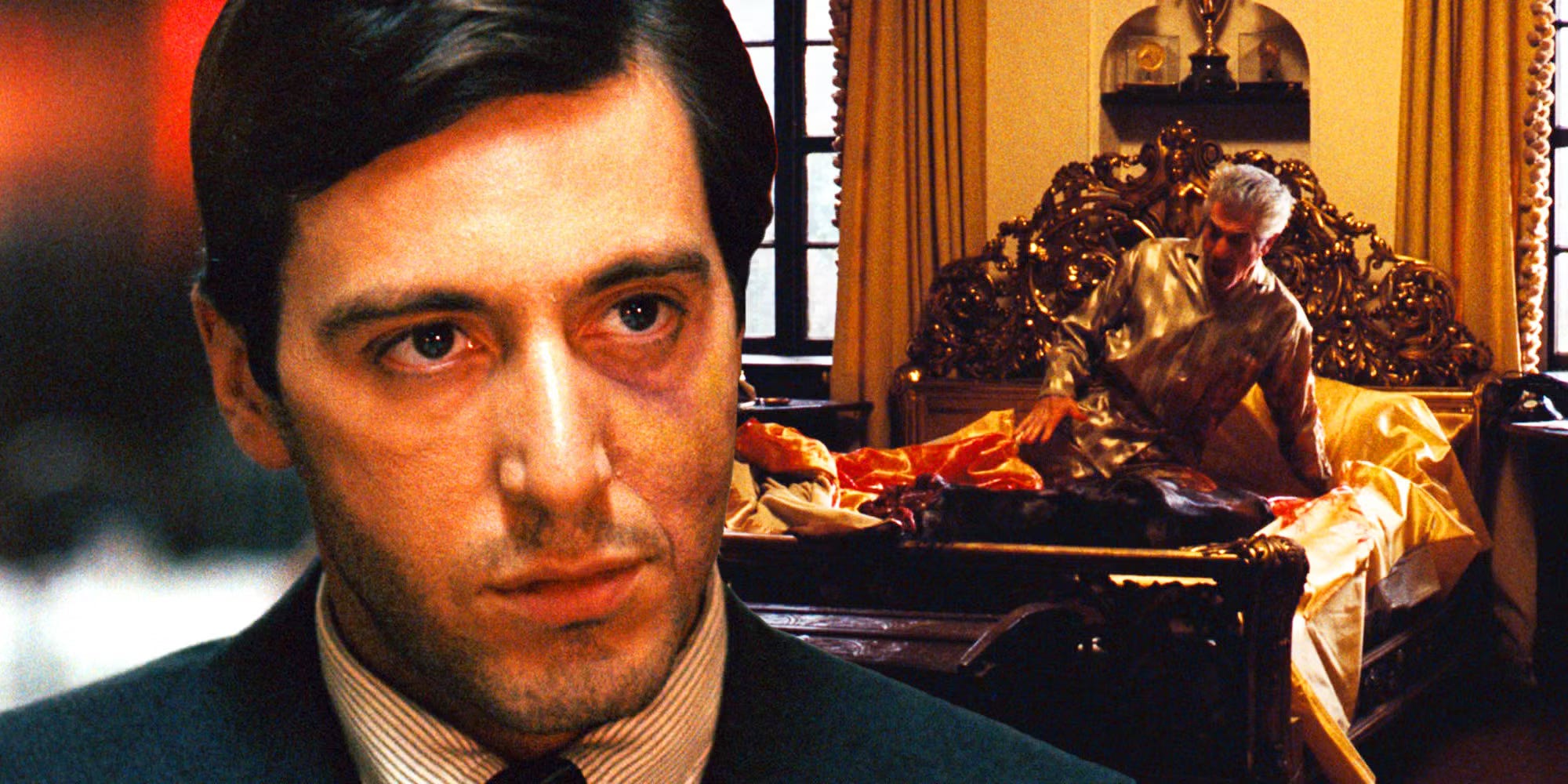
Sleeping with a horses head in our bed

We gave the most dangerous weapon of our time a word that sounds like a supermarket shelf category.
Disinformation.
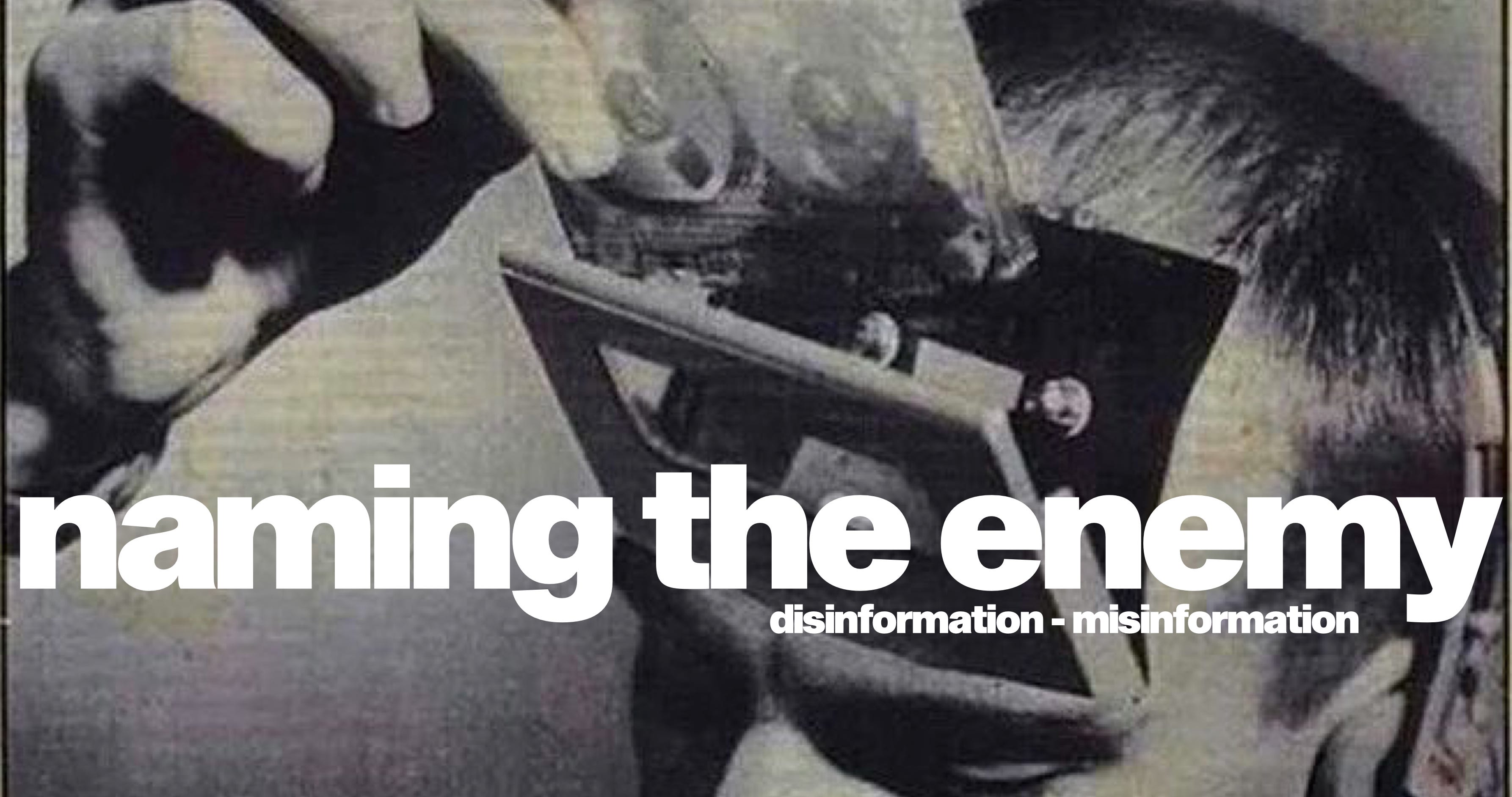
When you say it, it feels polite - anaemic, academic, agnostic and normal. And just as a freshly severed horse's head, it slipped neatly under our duvets as we were snoozing.
Disinformation - the deliberate poisoning of how we’re supposed to think. Definitely not a passive ‘oops,’ way beyond a misunderstanding. Not someone whose facts are a bit muddled.
Hell no.
A calculated, industrialised manufacture of confusion at scale by people who know exactly what they’re doing and exactly what damage it’s doing. Misinformation, as a result, is us fact-check-avoiding idiots spreading this toxic shit as if we knew what we were talking about.
I think most of us are trying to make half-decent decisions (health, voting, money, our future) But the reality is we aren’t. How can we when we’re swimming in an ocean of engineered bullshit? The vast majority of our friends and families have no idea how much they are being conned.
The worst part is that disinformation means nothing to the majority of people, and they don’t give it a second thought. But this creeping disease is burning down the capacity of entire populations to understand what the hell is going on and agree on what’s real.
Misinformation is us passing these lies along for free. We are the marketing operation for our own downfall. “Wow, have you seen this? We’re fucked.” We’re the supply chain for our own confusion.
The platforms are the infrastructure, and they’re definitely not neutral. They’re an industrialised movement - insanity at scale. An algorithm with a divisive motive that gives you more of whatever made you angry last time.
So here we are.
A species that split the atom, mapped the genome, and put humans on the moon, now struggles to agree on whether the moon landing even happened.
The world is flat again, and climate change is a massive hoax.
This happened not because we got dumber but because someone figured out that a confused society is more profitable than an informed one. A shocking majority happy to sleep with a severed head in their bed.
Disinformation is a strategy - cognitive warfare waged on civilian populations by our own (and external) institutions, platforms, and in some cases, governments.
Waged for profit and power, for the simple reason that a population that can’t agree on the facts, and spends its time arguing about that, can’t coordinate the fight back against the (insert expletive) benefiting from this chaos.
We are living through a calculated attack on the operating system of democracy, science, public health, education, and every institution founded on people’s ability to recognise the truth.
As a result, we now have a ‘confusion economy’ designed for the benefit of those who don’t give a shit about humanity, only our money or our vote.
We are their currency.
The Don’t-Be-Their-Currency Kit
Because nobody’s coming to save you from this. You have to do it yourself.
1. If it makes you furious, pause. That’s not an accident. That’s the business model working exactly as designed. Outrage is the trigger. Sharing is the payload. You are the delivery mechanism. Don’t be the delivery mechanism.
2. Check who’s telling you and why. Every piece of information has a source, and every source has a motive. “I saw it online” is not a source. Neither is “everyone’s saying.” Follow the claim back to its source. If you can’t find the origin, that tells you something.
3. If it confirms everything you already believe, be suspicious. Comfortable information is the most dangerous kind. The algorithm knows what you like. It feeds you more of it. Not because it’s true, but because agreement keeps you scrolling.
4. Read past the headline. Headlines are written to get clicks, not to inform. The article frequently contradicts its own headline. Sometimes there isn’t even an article. If you’re sharing something you haven’t actually read, you’re doing their job for free.
5. Seek out the people who disagree with you. Not to fight them. To understand what they’re seeing that you’re not. If your entire feed agrees with you, you’re not informed, you’re in a silo that someone built to keep you predictable.
6. Learn the difference between “I feel like this is true” and “this is verified.” Feelings are not evidence. Repetition is not proof. Familiarity is not accuracy. Something you’ve seen seven times is not seven times more true. It’s just seven times more shared.
7. Accept that not knowing is better than being certain and wrong. The confusion economy depends on people choosing false certainty over honest uncertainty. “I don’t know yet” is one of the most powerful sentences available to you. Use it more.
8. Teach your kids. Now. They’re growing up inside this machinery. They’ve never known anything else. Media literacy isn’t a nice-to-have school topic, it’s survival skills for the 21st century. If they can’t spot manipulation by the time they’re fifteen, someone else will be doing their thinking for them by the time they’re twenty.
9. Stop rewarding the platforms. Every minute of rage-scrolling is revenue for someone who doesn’t care about you. Every angry share amplifies the thing you claim to hate. The most radical act available to any of us right now is to close the app and go for a walk.
10. Remember you are the product, not the customer. If you’re not paying for it, you’re not being served - you’re being sold. Your attention, your emotions, your reactions, your data. That’s the transaction. The moment you understand that, you stop being easy to manipulate.
If only we could all just start reading and supporting serious journalism again..... Oh, wait..
Speak to people on the ground, bypass the media and get a sense of what locals are seeing before media negatively impacts the editorial. And seek alternative perspectives as a constant practice.